Westinghouse Air Brake Technologies Corporation (WAB) delivers a comprehensive suite of advanced technological solutions, equipment, and services tailored for the global freight railway and urban mass transit sectors. Its operations are bifurcated into two principal divisions: Freight and Transit. The Freight segment develops, produces, and maintains critical components for both newly manufactured and operational freight carriages and locomotives. This includes constructing brand-new commuter-focused locomotives, undertaking comprehensive rebuilding of freight locomotives, and delivering sophisticated railway electronic systems, positive train control (PTC) technology, signal design expertise, and related engineering provisions. This segment also furnishes essential heat exchange and cooling apparatus. Its clientele encompasses major publicly listed railway operators, equipment leasing firms, original equipment manufacturers (OEMs) of locomotives and freight cars, and various utility companies. The Transit segment is responsible for the production and upkeep of components utilized in both new and existing passenger conveyance systems, including regional and high-speed trains, subway cars, light-rail vehicles, and buses. This division also renovates subway cars and supplies HVAC (heating, ventilation, and air conditioning) systems, alongside doors for both buses and subways. This division caters to public transit agencies, municipal governments, leasing corporations, and manufacturers specializing in subway cars and buses. Beyond these core offerings, the company's extensive product portfolio further includes advanced electronically controlled pneumatic braking systems, various railway electronic devices, robust freight car undercarriages, crucial draft gears, couplers, and slack adjusters, as well as air compression and drying units. They also offer diverse heat exchange and cooling solutions, track and switch apparatus, and comprehensive railway braking components. WAB manufactures new switcher locomotives, friction products, and provides extensive overhaul, modernization, and refurbishment services for both transit and freight locomotives and cars. Additionally, their offerings extend to platform screen doors, pantographs, window assemblies, specialized couplers, accessibility lifts and ramps for public transport vehicles, and traction motors. Established in 1869, the company maintains its corporate headquarters in Pittsburgh, Pennsylvania.


.jpg)







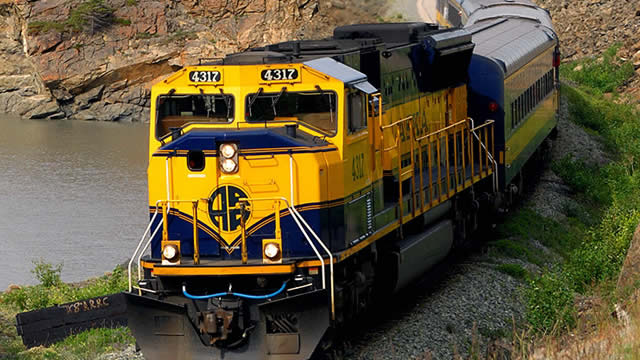 zacks.comWAB Stock Up 26.8% Y/Y: Can the Momentum Last Throughout 2026?zacks.comJun 8
 zacks.com3 Stocks to Watch From the Transport Equipment & Leasing Industryzacks.comJun 5
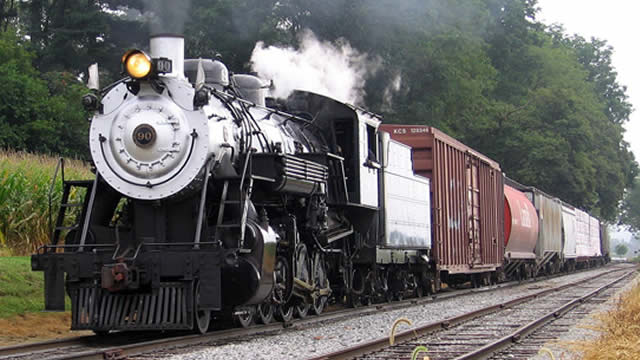 zacks.comHere's Why Investors Should Bet on Wabtec Stock Right Nowzacks.comMay 27
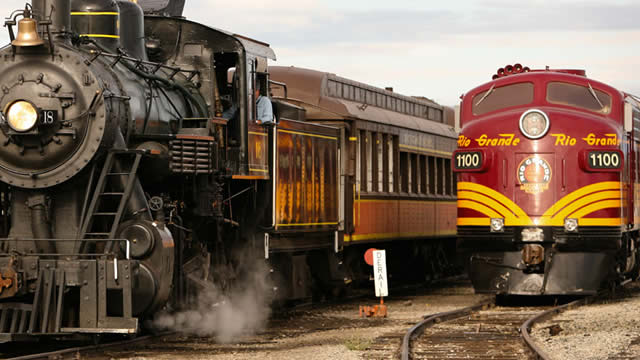 zacks.comWabtec (WAB) Down 5.3% Since Last Earnings Report: Can It Rebound?zacks.comMay 22
 businesswire.comWabtec Declares Regular Quarterly Common Dividendbusinesswire.comMay 12